
Creative Techniques for Coloring: Unlock Your Imagination
Coloring books pages coloring books have become a popular pastime for individuals of all ages. Whether you’re a child or an adult, the act of coloring can be both relaxing and creatively stimulating. In this guide, we will explore various Creative Techniques for Coloring that can elevate your coloring experience and help you produce stunning artwork. From traditional methods to innovative approaches, there’s something for everyone.
Understanding the Basics of Coloring
Before diving into the Creative Techniques for Coloring, it’s essential to understand the basics. Coloring can be done with various tools, including:
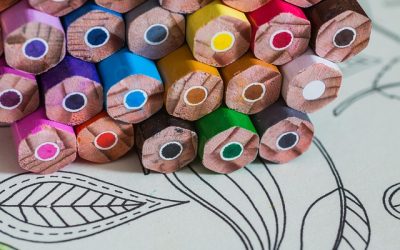
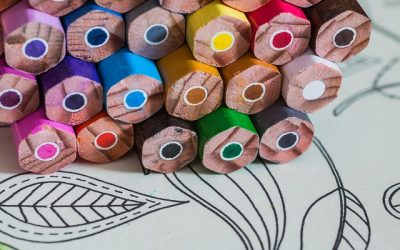
- Colored pencils
- Markers
- Crayons
- Watercolors
- Pastels
Each medium has its unique characteristics and can produce different effects. Experimenting with these tools is the first step towards mastering Creative Techniques for Coloring.
The Importance of Choosing the Right Paper
When it comes to coloring, the type of paper you choose can significantly impact your results. Opt for thicker paper that can handle various mediums without bleeding through. Many coloring books pages coloring books come with high-quality paper designed specifically for coloring enthusiasts.
Traditional Coloring Techniques
Shading and Blending
One of the most fundamental Creative Techniques for Coloring is shading. This technique adds depth and dimension to your artwork. Here’s how to do it:
- Choose a base color and apply it evenly across the area you want to color.
- Select a darker shade of the same color and apply it to the edges or areas where shadows would naturally occur.
- Blend the two colors using a blending tool or a lighter shade to create a smooth transition.
Layering Colors
Layering is another effective technique that can enhance your coloring. By applying multiple layers of different colors, you can create rich textures and vibrant effects. Here’s how to layer:
- Start with a light base color.
- Add a second layer with a slightly darker color.
- Continue adding layers, gradually increasing the darkness of the colors.
Innovative Techniques for Coloring
Using Watercolors for a Unique Effect
Watercolors can transform your coloring experience. This medium allows for fluidity and blending that can’t be achieved with traditional coloring tools. Here’s how to incorporate watercolors into your Creative Techniques for Coloring:
- Lightly color the area with watercolor pencils.
- Using a wet brush, blend the colors to create a watercolor effect.
- Let it dry, and then add more layers for depth.
Incorporating Mixed Media
Mixing different coloring mediums can lead to stunning results. Consider combining colored pencils with markers or pastels for a unique touch. Here’s how to effectively use mixed media:
- Start with colored pencil for detailed areas.
- Add markers for bold colors in larger spaces.
- Finish with pastels for a soft, blended look.
Creative Techniques for Coloring with Patterns
Using Stencils and Templates
Stencils can add intricate designs to your coloring pages. They allow you to create patterns that enhance your artwork. Here’s how to use stencils:
- Place the stencil over your coloring page.
- Color within the stencil using your preferred medium.
- Remove the stencil to reveal the pattern.
Creating Your Patterns
Instead of coloring pre-made patterns, consider creating your own. This technique allows for complete creative freedom. You can:
- Draw your patterns on blank coloring pages.
- Use repetitive shapes or motifs.
- Experiment with different colors and textures.
Color Theory in Creative Techniques for Coloring
Understanding Color Harmony
Color harmony is crucial for creating visually appealing artwork. Familiarize yourself with color theory to enhance your Creative Techniques for Coloring. Here are some key concepts:
- Complementary colors: Colors opposite each other on the color wheel.
- Analogous colors: Colors next to each other on the color wheel.
- Triadic colors: Three colors evenly spaced on the color wheel.
Experimenting with Color Palettes
Using color palettes can help you maintain harmony in your artwork. Here’s how to experiment with color palettes:
- Select a primary color and choose complementary or analogous colors.
- Create a small color swatch to visualize how they work together.
- Apply the palette to your coloring pages.
Advanced Creative Techniques for Coloring
Using Gradients
Gradients can add a stunning effect to your coloring pages. This technique involves transitioning from one color to another smoothly. Here’s how to achieve gradients:
- Start with a light color and gradually add darker shades.
- Blend the colors using a blending tool or your fingers.
- Practice on scrap paper to perfect your technique.
Incorporating Textures
Adding textures can bring your coloring pages to life. You can create textures with various techniques, such as:
- Using a stippling technique with colored pencils.
- Applying a sponge for a textured watercolor effect.
- Incorporating fabric or paper for mixed media textures.
Coloring Techniques for Mindfulness and Relaxation
Coloring as a Meditative Practice
Coloring can serve as a form of meditation. Engaging in Creative Techniques for Coloring can help reduce stress and promote relaxation. Here’s how to incorporate mindfulness into your coloring routine:
- Set aside dedicated time for coloring.
- Choose calming colors and patterns.
- Focus on your breathing while you color.
Creating a Cozy Coloring Space
Designing a comfortable and inviting space can enhance your coloring experience. Consider the following:
- Choose a quiet area with good lighting.
- Surround yourself with inspiring materials.
- Play soft music or nature sounds to create a calming atmosphere.
Sharing Your Coloring Creations
Building a Community
Sharing your artwork can be a rewarding experience. Join coloring groups or online communities to connect with fellow enthusiasts. Here are some platforms to consider:
- Social media platforms like Instagram and Pinterest
- Coloring forums and blogs
- Local art groups or workshops
Showcasing Your Artwork
Consider creating a portfolio of your best coloring pages. This can serve as a source of pride and motivation. You can:
- Take high-quality photos of your work.
- Share them on social media with relevant hashtags.
- Participate in coloring contests or challenges.

The Benefits of Coloring for Stress Relief
In today’s fast-paced world, finding effective ways to manage stress is crucial. One enjoyable and accessible method is coloring. This article explores The Benefits of Coloring for Stress Relief, highlighting how this simple activity can significantly improve mental well-being.
Understanding Stress and Its Effects
Stress can manifest in various ways, affecting both mental and physical health. Common symptoms include:
- Anxiety
- Fatigue
- Insomnia
- Headaches
Recognizing the need for stress relief is the first step towards better health. Engaging in creative activities, such as coloring, can provide a therapeutic outlet.
How Coloring Helps Relieve Stress
Many studies have shown that coloring has profound psychological benefits. Here are some of the key benefits of coloring for stress relief:
1. Promotes Mindfulness
Coloring encourages mindfulness, allowing individuals to focus on the present moment. This practice can reduce anxiety and promote relaxation, making it easier to cope with daily stressors.
2. Enhances Creativity
Engaging in creative activities stimulates the brain and can lead to improved mood. When you color, you’re not just filling in spaces; you’re expressing yourself, which can be incredibly liberating.
3. Reduces Anxiety and Depression
Studies have shown that coloring can lower levels of anxiety and depression. The repetitive motion of coloring can have a calming effect, similar to meditation.
4. Provides a Sense of Accomplishment
Completing a coloring page can give you a sense of achievement. This feeling can boost self-esteem and provide a positive distraction from stressors.
Choosing the Right Coloring Materials
To maximize the benefits of coloring for stress relief, it’s important to choose the right materials. Consider the following:
- Coloring Books: Opt for books that feature intricate designs or themes that you enjoy.
- Coloring Tools: Use colored pencils, markers, or gel pens to find what feels best for you.
- Environment: Create a comfortable and quiet space to enhance your coloring experience.
Incorporating Coloring into Your Routine
Here are some tips for integrating coloring into your daily life:
- Set Aside Time: Dedicate a specific time each day to color, even if it’s just for 10-15 minutes.
- Join a Coloring Group: Engage with others by joining local or online coloring groups for social interaction.
- Explore Different Styles: Experiment with various coloring books and styles to keep it interesting.
Coloring Resources for Stress Relief
If you’re ready to experience the benefits of coloring for stress relief, check out these resources:
- Kidz Coloring – Coloring Books
- Verywell Mind – Coloring for Adults
- Psychology Today – The Benefits of Coloring
Coloring is more than just a childhood pastime; it offers significant mental health benefits. By incorporating coloring into your routine, you can harness the benefits of coloring for stress relief and improve your overall well-being.
Exploring Unique Themes in Coloring Books
Coloring books have evolved significantly from the simple outlines of yesteryears. Today, exploring unique themes in coloring books has become a captivating journey that appeals to various age groups and interests. Whether you’re a child or an adult, there’s a coloring book theme that resonates with you. Let’s delve into some of the most unique themes available today.
1. Nature and Wildlife
One of the most popular themes in coloring books is nature and wildlife. These books often feature intricate designs of animals, plants, and landscapes, allowing colorists to immerse themselves in the beauty of the natural world.
- Detailed illustrations of flora and fauna
- Scenic landscapes, such as mountains and forests
- Endangered species awareness through art
By exploring unique themes in coloring books like nature, individuals can not only relax but also learn about biodiversity and conservation efforts.
2. Fantasy Worlds
Fantasy-themed coloring books transport users to magical realms filled with mythical creatures, enchanted forests, and whimsical characters. These books often feature:
- Dragons, unicorns, and fairies
- Magical landscapes and castles
- Story-driven illustrations that spark imagination
Through exploring unique themes in coloring books such as fantasy, artists can unleash their creativity and bring their own interpretations to life.
3. Mindfulness and Meditation
In recent years, coloring books focused on mindfulness and meditation have gained popularity. These books often contain designs that promote relaxation and stress relief. Key features include:
- Geometric patterns and mandalas
- Affirmations and positive quotes
- Guided coloring exercises for mindfulness
By exploring unique themes in coloring books centered around mindfulness, users can find a therapeutic outlet for their stress and anxiety.
4. Cultural and Historical Themes
Coloring books that highlight cultural and historical themes provide an educational twist to the coloring experience. These books often showcase:
- Traditional patterns from different cultures
- Historical events and figures
- Art styles from various eras
Exploring unique themes in coloring books related to culture and history can enhance knowledge while making the coloring process more meaningful.
5. Pop Culture and Entertainment
For fans of movies, music, and television, pop culture-themed coloring books are a fantastic way to engage with beloved characters and stories. These books typically feature:
- Iconic movie scenes and characters
- Famous musicians and bands
- Popular TV shows and cartoons
By exploring unique themes in coloring books that celebrate pop culture, fans can express their fandom creatively.
6. Abstract and Surreal Art
Abstract and surreal coloring books challenge conventional ideas of art and creativity. These books often include:
- Non-representational designs
- Surreal landscapes and dreamlike imagery
- Encouragement for personal interpretation
Engaging with these themes allows users to explore their artistic sides while exploring unique themes in coloring books that push the boundaries of traditional coloring.
7. Seasonal and Holiday Themes
Seasonal and holiday-themed coloring books provide a festive touch to the coloring experience. These books often feature:
- Seasonal landscapes, such as winter wonderlands or summer beaches
- Holiday symbols and traditions
- Coloring pages designed for specific celebrations
By exploring unique themes in coloring books focused on seasons and holidays, users can celebrate and express their joy through art.
For more information on various themes, visit Kidz Coloring to explore a wide range of coloring book options that cater to your interests.
As the world of coloring books continues to expand, the possibilities for exploring unique themes in coloring books are virtually limitless. Dive into these themes and discover the joy of coloring today!




0 Comments