
Creative Techniques for Coloring Book Pages
Coloring books pages coloring books have become a popular way to unwind and express creativity. Whether you’re a child or an adult, coloring can be a therapeutic activity that allows you to escape into a world of imagination. In this article, we will explore various creative techniques for coloring book pages that will enhance your coloring experience and help you achieve stunning results.
Understanding the Basics of Coloring
Before diving into the creative techniques for coloring book pages, it’s essential to understand the basic tools and materials you’ll need. Here’s a quick overview:
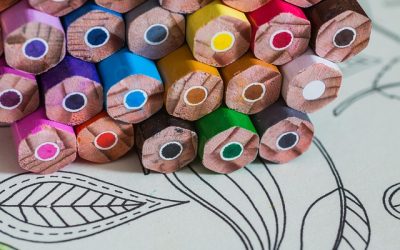
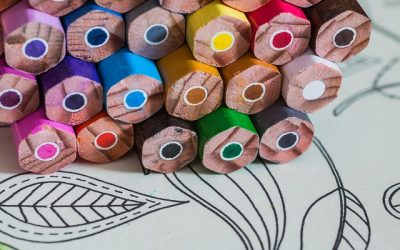
- Coloring Tools: Colored pencils, markers, gel pens, and crayons are popular choices.
- Paper Quality: Use high-quality paper that can handle various mediums without bleeding.
- Color Wheel: Familiarize yourself with the color wheel to understand color relationships.
Creative Techniques for Coloring Book Pages
1. Blending Colors for Depth
One of the most effective creative techniques for coloring book pages is blending colors. This can create a sense of depth and dimension in your artwork. Here’s how to do it:
- Choose two or more colors that complement each other.
- Start with the lighter color and apply it to the area you want to color.
- Gradually add the darker color, blending as you go.
- Use a blending stump or your finger to smooth out the colors.
2. Adding Texture with Patterns
Incorporating patterns into your coloring book pages can add a unique touch. Here are some ideas:
- Cross-Hatching: Use parallel lines to create shading.
- Dots: Create texture by using dots of various sizes.
- Swirls: Add swirls or spirals for a whimsical effect.
3. Using Watercolor Techniques
Watercolor techniques can bring a soft, ethereal quality to your coloring book pages. Here’s how to use this method:
- Choose watercolor pencils or water-soluble markers.
- Color the area you want to paint.
- Use a wet brush to blend the colors, creating a watercolor effect.
4. Experimenting with Color Schemes
Utilizing different color schemes can drastically change the mood of your coloring book pages. Consider these schemes:
- Monochromatic: Use different shades of a single color.
- Complementary: Pair colors opposite each other on the color wheel.
- Analogous: Use colors that are next to each other on the wheel.
5. Incorporating Mixed Media
Mixing various mediums can elevate your coloring experience. Here are some ideas for mixed media:
- Collage: Incorporate cut-out images or papers.
- Stickers: Add stickers to enhance your design.
- Pastels: Use soft pastels for a unique texture.
Advanced Creative Techniques for Coloring Book Pages
1. Layering Colors
Layering is a technique that involves applying multiple layers of color to achieve richness and depth. Follow these steps:
- Begin with a light layer of color.
- Allow it to dry if using wet mediums.
- Add additional layers gradually, blending as you go.
2. Creating Shadows and Highlights
Adding shadows and highlights can give your coloring book pages a three-dimensional look. Here’s how to do it:
- Shadows: Use a darker shade of the base color on one side to create shadow.
- Highlights: Use a lighter shade or white gel pen on the opposite side for highlights.
3. Using Glitter and Metallic Finishes
For a dazzling effect, consider using glitter or metallic finishes. Here’s how to incorporate them:
- Glitter Gel Pens: Use these for adding sparkle to specific areas.
- Metallic Markers: Use metallic colors for a shiny finish.
4. Creating a Background
Don’t forget about the background! A well-designed background can enhance your coloring book pages significantly. Consider these techniques:
- Gradient Background: Blend colors from light to dark.
- Textured Background: Use sponges or stamps to create texture.
5. Digital Coloring Techniques
If you prefer digital coloring, there are numerous creative techniques available. Here are some popular methods:
- Layering in Software: Use software like Procreate or Adobe Fresco to create layers.
- Brush Customization: Customize brushes to achieve unique effects.
Tips for Enhancing Your Coloring Experience
1. Take Breaks
To maintain your creativity and avoid burnout, take regular breaks during your coloring sessions. This can help you return with fresh eyes and new ideas.
2. Join a Coloring Community
Engaging with others who share your passion for coloring can inspire new ideas. Consider joining online forums or local coloring groups.
3. Experiment and Have Fun
Don’t be afraid to experiment with different techniques. The goal is to enjoy the process and express your creativity through coloring book pages.
Incorporating these creative techniques for coloring book pages can transform your coloring experience into a vibrant and fulfilling journey. Whether you prefer traditional methods or digital tools, the possibilities are endless. Dive into your coloring adventure and let your imagination run wild!

Therapeutic Benefits of Coloring for All Ages
Coloring is often seen as a childhood pastime, but the therapeutic benefits of coloring for all ages are profound and well-documented. Engaging in coloring activities can enhance mental well-being, promote relaxation, and even improve cognitive functions across various age groups. In this article, we will explore how coloring can serve as a therapeutic tool for everyone, from children to seniors.
Understanding the Therapeutic Benefits of Coloring
The therapeutic benefits of coloring for all ages extend beyond simple enjoyment. Here’s how coloring can positively impact mental health:
- Stress Relief: Coloring helps reduce stress levels by encouraging mindfulness and focus.
- Enhanced Creativity: It stimulates creative expression, allowing individuals to explore their artistic side.
- Improved Fine Motor Skills: For children, coloring can enhance hand-eye coordination and dexterity.
- Emotional Well-being: Engaging in coloring can elevate mood and provide a sense of accomplishment.
Coloring for Children
For children, the therapeutic benefits of coloring for all ages are particularly impactful. Here’s how:
- Development of Cognitive Skills: Coloring can improve concentration and focus in young minds.
- Emotional Expression: It provides a safe outlet for children to express their feelings.
- Social Interaction: Group coloring activities can foster teamwork and communication skills.
Recommended Coloring Activities for Kids
Here are some engaging coloring activities that can maximize the therapeutic benefits:
- Coloring contests to encourage friendly competition.
- Collaborative murals that promote teamwork.
- Coloring books with themes that resonate with their interests.
Coloring for Teens and Adults
Teens and adults can also reap the therapeutic benefits of coloring for all ages. Here are some advantages:
- Mindfulness Practice: Coloring can serve as a form of meditation, helping individuals stay present.
- Stress Management: It offers a break from daily stressors, promoting relaxation.
- Enhanced Focus: The act of coloring requires concentration, which can improve overall focus.
Popular Coloring Options for Adults
To harness the therapeutic benefits of coloring for all ages, consider these popular options:
- Intricate mandalas that promote mindfulness.
- Nature-themed coloring books that encourage relaxation.
- Abstract designs that stimulate creativity.
Coloring for Seniors
Older adults can also benefit from the therapeutic benefits of coloring for all ages:
- Cognitive Stimulation: Coloring can help keep the mind sharp and engaged.
- Fine Motor Skill Maintenance: It aids in maintaining dexterity and hand coordination.
- Social Engagement: Group coloring sessions can combat loneliness and foster friendships.
Coloring Activities for Seniors
To maximize the benefits for seniors, consider these activities:
- Group coloring sessions at community centers.
- Coloring books with larger designs for easier handling.
- Incorporating themes that evoke nostalgia.
Where to Find Quality Coloring Resources
For those interested in exploring the therapeutic benefits of coloring for all ages, high-quality resources are essential. Websites like Kidz Coloring offer a variety of coloring book pages that cater to all ages. Whether you’re looking for intricate designs or simple shapes, there’s something for everyone.
Additionally, consider checking out reputable sources such as:
- Psychology Today for insights on adult coloring.
- Healthline for health benefits related to coloring.
By embracing the therapeutic benefits of coloring for all ages, individuals can find joy, relaxation, and a creative outlet that enriches their lives.
Unique Themes and Designs to Explore
When it comes to creativity, exploring Unique Themes and Designs to Explore can lead to exciting projects and inspiring results. Whether you’re an artist, a designer, or simply someone looking to add a personal touch to your work, the right theme can make all the difference. In this article, we will delve into various unique themes and designs that can elevate your projects.
Understanding the Importance of Themes
Themes provide a cohesive framework for any creative endeavor. They guide your choices in color, style, and overall presentation. Here are a few reasons why exploring Unique Themes and Designs to Explore is essential:
- Enhances Creativity: A unique theme can spark new ideas.
- Creates Cohesion: It helps unify different elements of your project.
- Engages Audience: A well-defined theme attracts and retains interest.
Popular Unique Themes to Consider
1. Nature-Inspired Designs
Nature has always been a source of inspiration. Using organic shapes, earthy colors, and natural motifs can create a calming effect. Consider these ideas:
- Floral patterns
- Animal illustrations
- Landscapes and scenery
2. Retro and Vintage Styles
Retro themes bring nostalgia and charm. Think about incorporating:
- Classic typography
- Muted color palettes
- Patterns reminiscent of past decades
3. Minimalist Aesthetic
Less is often more. A minimalist approach focuses on simplicity and functionality. Key elements include:
- Clean lines
- Neutral colors
- Open spaces
Designing with Unique Elements
To make your projects stand out, consider incorporating unique design elements. Here are some ideas:
1. Custom Illustrations
Original artwork adds a personal touch. Explore options for:
- Hand-drawn illustrations
- Digital art
- Mixed media
2. Textures and Patterns
Adding textures can enhance visual interest. Experiment with:
- Fabric textures
- Geometric patterns
- Watercolor effects
3. Unique Typography
Typography is a powerful tool in design. Consider using:
- Custom fonts
- Handwritten styles
- Bold, eye-catching lettering
Where to Find Inspiration
Finding inspiration for Unique Themes and Designs to Explore can be as simple as browsing various sources. Here are some effective ways to gather ideas:
1. Online Platforms
Utilize websites such as:
- Behance – A platform showcasing creative work.
- Dribbble – A community for designers to share their projects.
- Pinterest – A visual discovery engine for finding inspiration.
2. Nature and Travel
Exploring the outdoors or visiting new places can provide fresh perspectives. Take note of:
- Color combinations
- Patterns in nature
- Architectural designs
Bringing Your Themes to Life
Once you have chosen your theme, it’s time to bring it to life. Here are some tips to effectively implement Unique Themes and Designs to Explore:
- Start with a mood board to visualize your ideas.
- Use design software to create your layouts.
- Seek feedback from peers to refine your design.
For more creative resources, check out Kidz Coloring for unique coloring books that inspire artistic exploration.




0 Comments