
Creative Techniques for Stunning Color Palettes
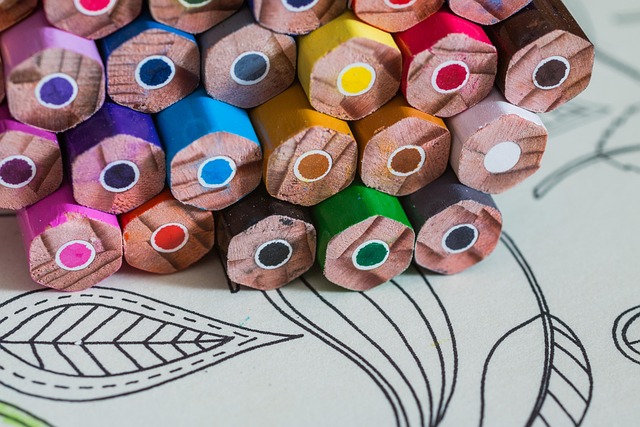
If you’re looking to elevate your art and design projects, understanding Creative Techniques for Stunning Color Palettes is essential. Whether you’re working on coloring books pages coloring books or any other artistic endeavor, the right color palette can significantly enhance your work. This guide will explore various methods to create beautiful and harmonious color combinations that will captivate your audience.
Understanding Color Theory
Before diving into Creative Techniques for Stunning Color Palettes, it’s crucial to grasp the basics of color theory. Color theory provides a framework for understanding how colors interact and how they can be combined effectively.
The Color Wheel
The color wheel is a visual representation of colors arranged according to their chromatic relationship. It’s divided into primary, secondary, and tertiary colors:
- Primary Colors: Red, Blue, Yellow
- Secondary Colors: Green, Orange, Purple (created by mixing primary colors)
- Tertiary Colors: Colors formed by mixing a primary color with a secondary color.
Color Harmony
Color harmony is about creating a pleasing arrangement of colors. Here are some popular color schemes that you can use in your Creative Techniques for Stunning Color Palettes:
- Complementary: Colors opposite each other on the color wheel.
- Analogous: Colors next to each other on the color wheel.
- Triadic: Three colors evenly spaced around the wheel.
- Tetradic: Four colors forming a rectangle on the color wheel.
Using Color Psychology
Colors evoke emotions and can influence perceptions. Understanding color psychology can enhance your Creative Techniques for Stunning Color Palettes by allowing you to select colors that resonate with your intended message.
Emotional Associations of Colors
Here are some common colors and their associated emotions:
- Red: Passion, energy, urgency
- Blue: Trust, calmness, professionalism
- Yellow: Happiness, optimism, warmth
- Green: Growth, health, tranquility
- Purple: Luxury, creativity, mystery
Applying Color Psychology in Your Palette
When developing your color palette, consider the emotions you want to evoke. For instance, if you’re creating coloring books pages coloring books aimed at children, you might choose bright, cheerful colors to engage and excite them.
Exploring Digital Tools for Color Selection
Technology has made it easier to create stunning color palettes. Various online tools can help you find the perfect combinations. Here are some popular options:
- Adobe Color: A versatile tool for creating color schemes based on various rules.
- Coolors: A color scheme generator that allows for easy exploration and customization.
- Canva Color Palette Generator: Upload an image to extract colors and create a palette.
Creating Palettes from Images
Another effective technique in Creative Techniques for Stunning Color Palettes is to derive colors from images. This method can inspire unique palettes based on real-life subjects:
- Choose a high-quality image that resonates with your project.
- Use a color picker tool to identify and extract colors from the image.
- Create a palette based on the extracted colors, ensuring they work harmoniously.
Experimenting with Color Mixing Techniques
Mixing colors can lead to unique and stunning palettes. Here are some techniques to explore:
Layering Colors
Layering different colors can create depth and complexity. This technique is particularly effective in mediums like painting or digital art:
- Start with a base color.
- Gradually add layers of different colors, adjusting opacity as needed.
- Experiment with blending modes if using digital tools to achieve varied effects.
Color Blocking
Color blocking involves using bold, solid blocks of color in your design. This technique can make your artwork visually striking:
- Select a few contrasting colors.
- Divide your canvas into sections and fill each with a different color.
- Ensure the colors complement each other while standing out individually.
Incorporating Trends in Color Palettes
Staying updated on color trends can enhance your Creative Techniques for Stunning Color Palettes. Here are some current trends to consider:
Nature-Inspired Palettes
Colors inspired by nature, such as earthy tones and greens, are gaining popularity. These palettes evoke a sense of calm and connection to the environment.
Pastel Colors
Soft pastel colors are perfect for creating a gentle and inviting atmosphere. They work well in various projects, from children’s books to modern designs.
Bold and Bright Colors
On the opposite end, bold and vibrant colors are making a statement in contemporary designs. These palettes can energize your work and draw attention.
Practical Applications of Color Palettes
Understanding how to apply your color palette effectively is crucial in your projects, especially in coloring books pages coloring books. Here are some applications to consider:
Branding and Marketing
Colors play a significant role in branding. Choose a palette that reflects your brand’s identity and values:
- Ensure consistency across all marketing materials.
- Use colors that resonate with your target audience.
Interior Design
In interior design, color can transform a space. Consider the following:
- Use a color palette that complements the purpose of the room.
- Incorporate accent colors to create focal points.
Testing Your Color Palette
Before finalizing your color palette, it’s essential to test it in various contexts. Here’s how:
Mockups and Prototypes
Create mockups of your designs using the chosen colors. This helps visualize how they work together:
- Use digital tools to create prototypes.
- Print samples if applicable to see how colors appear on paper.
Feedback and Iteration
Seek feedback from peers or your target audience. Use their insights to refine your palette:
- Ask specific questions about color perception.
- Be open to making adjustments based on feedback.
Final Thoughts on Color Palettes
Incorporating Creative Techniques for Stunning Color Palettes is a vital skill for artists and designers. By understanding color theory, using digital tools, experimenting with mixing techniques, and staying updated on trends, you can create mesmerizing color combinations that enhance your projects, including coloring books pages coloring books. With practice and experimentation, you’ll develop a unique style that sets your work apart.
The Therapeutic Benefits of Coloring for All Ages
Coloring is often viewed as a simple pastime, but the therapeutic benefits of coloring for all ages are profound and far-reaching. From children to adults, engaging in coloring activities can promote mental well-being, enhance creativity, and provide a relaxing escape from the stresses of daily life. Let’s delve into the various benefits of this enjoyable activity.
Understanding the Therapeutic Benefits of Coloring
The therapeutic benefits of coloring for all ages stem from its ability to engage both the mind and body in a creative process. Coloring allows individuals to express their emotions while also providing a meditative experience that can reduce anxiety and improve focus.
Stress Relief Through Coloring
One of the most significant therapeutic benefits of coloring for all ages is its ability to alleviate stress. This calming activity can lead to:
- Reduced Anxiety: Focusing on colors and patterns can distract the mind from worries.
- Mindfulness: Coloring encourages living in the moment, promoting mindfulness and relaxation.
- Emotional Release: It provides a safe outlet for expressing emotions, which can be particularly beneficial for children.
Enhancing Creativity and Cognitive Skills
Coloring is not just about filling in shapes; it also stimulates the brain and enhances cognitive skills. The therapeutic benefits of coloring for all ages include:
- Improved Motor Skills: For younger children, coloring helps develop fine motor skills and hand-eye coordination.
- Boosted Creativity: Choosing colors and creating unique designs fosters creativity and innovation.
- Enhanced Focus: Concentrating on a coloring page can improve attention spans and focus.
Coloring as a Form of Therapy
The therapeutic benefits of coloring for all ages have led to its incorporation into various therapeutic practices. Art therapy, which includes coloring, is increasingly recognized for its effectiveness in treating mental health issues. Here are some ways coloring is used therapeutically:
Art Therapy for Mental Health
Art therapists utilize coloring to help clients express feelings that may be difficult to articulate. The therapeutic benefits of coloring for all ages in this context include:
- Facilitating Communication: Coloring can help individuals communicate their feelings and experiences.
- Building Self-Esteem: Completing a coloring page can provide a sense of accomplishment.
- Promoting Relaxation: The repetitive motion of coloring can induce a state of relaxation, similar to meditation.
Coloring for Seniors
The therapeutic benefits of coloring for all ages are especially notable for seniors. Engaging in coloring can help:
- Maintain Cognitive Function: Regular coloring can help keep the mind sharp.
- Reduce Symptoms of Dementia: Coloring can provide a calming activity for those with memory issues.
- Encourage Social Interaction: Group coloring sessions can foster social connections.
Getting Started with Coloring
To experience the therapeutic benefits of coloring for all ages, consider the following tips:
- Choose the Right Materials: Invest in quality coloring books and supplies that inspire creativity.
- Create a Comfortable Space: Designate a quiet area where you can focus on coloring without distractions.
- Set Aside Time: Make coloring a regular part of your routine to fully reap its benefits.
Where to Find Coloring Resources
For those looking to explore the therapeutic benefits of coloring for all ages, there are numerous resources available online. Websites like Kidz Coloring provide a variety of coloring pages suitable for all ages, making it easy to get started.
Incorporating coloring into your daily routine can provide a multitude of benefits. Whether you are a child, a busy adult, or a senior, the therapeutic benefits of coloring for all ages can enhance your mental well-being and enrich your life. Explore this creative outlet today!
Unique Themes to Spark Your Imagination
Are you looking for inspiration to ignite your creativity? Exploring Unique Themes to Spark Your Imagination can open new avenues for artistic expression. Whether you’re a writer, artist, or simply someone who enjoys creative hobbies, unique themes can provide the perfect backdrop for your next project. In this article, we will delve into various themes that can inspire you and help unleash your creative potential.
Why Unique Themes Matter
Unique themes are essential because they:
- Encourage innovative thinking.
- Help differentiate your work from others.
- Provide a fresh perspective on familiar concepts.
By incorporating Unique Themes to Spark Your Imagination, you can create compelling narratives and visuals that resonate with your audience.
Exploring Unique Themes
1. Nature and the Elements
Nature is a timeless source of inspiration. Consider themes like:
- Seasons changing
- Underwater worlds
- Mountain adventures
These themes can lead to stunning visuals and thought-provoking narratives, making them perfect for artists and writers alike. Incorporating elements of nature into your projects can also promote environmental awareness.
2. Fantasy Realms
Fantasy themes transport us to other worlds. Think about:
- Magical creatures
- Epic quests
- Alternative realities
Using Unique Themes to Spark Your Imagination in fantasy can help you create intricate stories and captivating artwork that draws your audience into your imaginative universe.
3. Historical Eras
History offers a wealth of themes to explore. Consider focusing on:
- Ancient civilizations
- Renaissance art
- Victorian society
These themes can provide context and depth to your work, allowing you to connect with your audience on multiple levels.
How to Use Themes Effectively
1. Brainstorming Ideas
When brainstorming Unique Themes to Spark Your Imagination, consider the following techniques:
- Mind mapping
- Free writing
- Visual inspiration boards
These methods can help you generate a plethora of ideas and refine them into cohesive themes.
2. Incorporating Themes into Your Work
Once you’ve chosen a theme, integrate it into your project by:
- Creating character arcs that reflect the theme.
- Using color palettes that evoke the theme’s mood.
- Crafting narratives that align with the theme’s message.
Example: Fantasy Theme in Art
If you’re working on a fantasy-themed painting, consider using vibrant colors and mythical elements to enhance the overall composition. This approach will not only capture the essence of the theme but also engage your audience.
Resources for Further Inspiration
To gain more insights into Unique Themes to Spark Your Imagination, check out these reputable resources:
- Creative Bloq: Ways to Spark Your Imagination
- ArtStation: Discover Unique Art Themes
- Goodreads: Explore Unique Literary Themes
Utilizing these resources can help you find even more Unique Themes to Spark Your Imagination and enhance your creative journey.
Join the Creative Community
Engaging with others can also help you discover new themes. Consider:
- Joining online forums
- Participating in local art workshops
- Attending literary events
Connecting with fellow creatives can inspire you and provide fresh perspectives on Unique Themes to Spark Your Imagination.
For more coloring inspiration, visit Kidz Coloring for a variety of themes to explore!
0 Comments