
Ultimate Creative Techniques for Coloring Book Pages
Coloring books pages coloring books have gained immense popularity among both children and adults. They provide a unique way to express creativity, relieve stress, and engage in a fun activity. In this article, we will explore various creative techniques for coloring book pages that can enhance your coloring experience and help you create stunning works of art.

Understanding the Basics of Coloring
Choosing the Right Materials
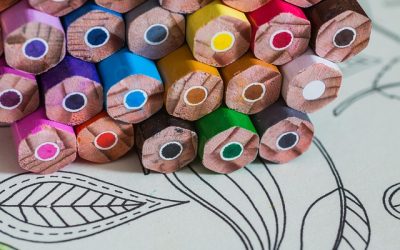
When it comes to creative techniques for coloring book pages, the materials you choose play a crucial role. Here are some essential tools:
- Colored Pencils: Ideal for fine details and blending.
- Markers: Great for bold colors and smooth coverage.
- Gel Pens: Perfect for adding sparkle and intricate designs.
- Watercolors: Excellent for a soft, blended look.
Understanding Color Theory
To effectively apply creative techniques for coloring book pages, familiarize yourself with color theory. Here are some basic concepts:
- Complementary Colors: Colors opposite each other on the color wheel.
- Analogous Colors: Colors next to each other on the color wheel.
- Monochromatic Schemes: Variations of a single color.
Creative Techniques for Coloring Book Pages
Blending and Shading
One of the most effective creative techniques for coloring book pages is blending and shading. This technique adds depth and dimension to your artwork. Here’s how to do it:
- Start with a base color and apply it evenly.
- Choose a darker shade and apply it to the areas you want to shade.
- Use a lighter shade or a blending tool to smooth the transition between colors.
Layering Colors
Layering is another powerful technique. By applying multiple layers of color, you can achieve richer tones and textures. Follow these steps:
- Begin with a light base layer.
- Add additional layers gradually, allowing each layer to dry if using wet mediums.
- Experiment with different colors to see how they interact.
Using Patterns and Textures
Incorporating patterns and textures into your coloring can elevate your pages. Here are some ideas:
- Stippling: Create texture by adding small dots of color.
- Cross-Hatching: Use lines to create shading and depth.
- Pattern Overlay: Fill sections with different patterns like stripes or polka dots.
Incorporating Mixed Media
Mixing different media can lead to stunning results. Here are some suggestions:
- Combine colored pencils with markers for vibrant effects.
- Add watercolor washes as a base and color over with pencils.
- Use collage elements like paper or fabric to enhance your pages.
Advanced Techniques for Experienced Colorists
Creating Depth with Perspective
Understanding perspective can add a whole new dimension to your coloring. Here’s how to create depth:
- Identify the light source in your design.
- Shade objects that are further away with lighter colors.
- Use darker colors for objects in the foreground to create contrast.
Using Color Gradients
Color gradients are a visually appealing way to transition between colors. To create gradients:
- Choose two or more colors that complement each other.
- Apply the first color in one area and gradually blend in the second color.
- Use a blending tool or your finger to smooth the transition.
Experimenting with Unconventional Colors
Don’t be afraid to step outside the traditional color palette. Using unconventional colors can create a unique look:
- Use unexpected colors for skin tones or landscapes.
- Try neon or metallic colors for a striking effect.
- Explore monochromatic schemes with varying shades of a single color.
Inspiration for Your Coloring Journey
Finding Unique Coloring Pages
To apply creative techniques for coloring book pages, seek out unique coloring pages that inspire you. Consider:
- Online platforms that offer printable coloring pages.
- Coloring books with intricate designs and themes.
- Collaborative coloring projects with friends or family.
Joining Coloring Communities
Engaging with others who share your passion can provide inspiration and techniques. Look for:
- Online forums and social media groups dedicated to coloring.
- Local workshops or classes on coloring techniques.
- Coloring challenges that encourage you to try new styles.
Tips for Staying Motivated
Setting Goals for Your Coloring Projects
Setting goals can keep you motivated during your coloring journey. Consider:
- Completing a certain number of pages each month.
- Trying out new techniques regularly.
- Participating in themed coloring events.
Creating a Dedicated Coloring Space
A comfortable and inspiring workspace can enhance your coloring experience. Here are some ideas:
- Organize your coloring materials for easy access.
- Incorporate good lighting to reduce eye strain.
- Personalize your space with artwork or motivational quotes.
Utilizing Technology in Coloring
Digital Coloring Apps
With the rise of technology, digital coloring apps have become popular. These apps offer unique features:
- Variety of coloring pages from different artists.
- Tools for blending and layering colors digitally.
- Ability to easily undo mistakes and experiment with colors.
Online Tutorials and Resources
Enhance your skills by utilizing online resources. Look for:
- YouTube channels dedicated to coloring techniques.
- Blogs and websites that offer tips and tutorials.
- Online courses focused on coloring and art techniques.
Final Thoughts on Your Coloring Adventure
As you explore creative techniques for coloring book pages, remember that the journey is just as important as the final product. Embrace your creativity, try new methods, and most importantly, have fun as you bring your coloring pages to life. With the right techniques and a little imagination, every coloring book page can become a masterpiece.
Exploring Themes and Styles in Coloring Books
Coloring books have evolved significantly over the years, transitioning from simple children’s activities to sophisticated art forms enjoyed by adults. In this article, we will delve into Exploring Themes and Styles in Coloring Books, highlighting the various genres and artistic approaches that make these books appealing to a wide audience.
Understanding the Different Themes in Coloring Books
When it comes to Exploring Themes and Styles in Coloring Books, the themes can range from whimsical to intricate. Here are some popular themes:
- Nature and Landscapes: These coloring books feature beautiful scenes of forests, mountains, and oceans, allowing users to connect with the great outdoors.
- Fantasy and Mythology: Immerse yourself in magical realms filled with dragons, fairies, and mythical creatures.
- Mandala Patterns: These intricate designs promote mindfulness and relaxation, making them perfect for stress relief.
- Animals: From cute pets to wild creatures, animal-themed coloring books appeal to animal lovers of all ages.
- Inspirational Quotes: Combining motivational phrases with artistic designs, these books encourage positivity while coloring.
Exploring Styles in Coloring Books
The styles of coloring books can greatly influence the experience of the user. Here are some prominent styles to consider:
1. Realistic Styles
These coloring books focus on lifelike representations of subjects. Users can practice shading and blending techniques to create stunning artwork.
2. Abstract Styles
Abstract coloring books allow for freedom of interpretation, where colors and shapes are more important than realistic representation. This style encourages creativity and personal expression.
3. Cartoon and Whimsical Styles
Perfect for younger audiences, these styles feature fun characters and playful scenes. They often include simple designs that are easy to color.
4. Historical and Cultural Styles
These coloring books explore various cultures and historical themes, providing educational value alongside artistic enjoyment. Users can learn about different traditions while engaging in a creative activity.
The Benefits of Exploring Themes and Styles in Coloring Books
Engaging with different themes and styles in coloring books offers numerous benefits:
- Stress Relief: Coloring can be a meditative practice, helping to reduce anxiety and promote relaxation.
- Creative Expression: Each theme allows individuals to express their creativity in unique ways.
- Improved Focus: Focusing on coloring can enhance concentration and attention span.
- Skill Development: Different styles offer opportunities to develop artistic skills such as shading, color theory, and design.
Choosing the Right Coloring Book for You
When Exploring Themes and Styles in Coloring Books, consider the following factors to find the perfect book:
- Personal Interests: Choose themes that resonate with you, whether it’s nature, fantasy, or abstract art.
- Skill Level: Select a style that matches your coloring experience—beginner-friendly designs for novices and more intricate patterns for advanced users.
- Purpose: Determine if you want to relax, express creativity, or learn something new while coloring.
Where to Find Quality Coloring Books
Many online platforms offer a diverse range of coloring books. Websites like Kidz Coloring provide a variety of options that cater to different themes and styles. Explore their extensive collection to find the perfect book for your coloring journey.
Additionally, consider checking out reputable sites such as Amazon and Barnes & Noble for popular titles and reviews.
Final Thoughts on Exploring Themes and Styles in Coloring Books
As we continue Exploring Themes and Styles in Coloring Books, it’s clear that there is something for everyone. Whether you are seeking relaxation, creative expression, or a fun activity, the world of coloring books offers endless possibilities. Dive into this colorful adventure and discover which themes and styles resonate with you!
The Therapeutic Benefits of Coloring for All Ages
Coloring isn’t just for kids anymore. The therapeutic benefits of coloring for all ages have been recognized by psychologists and educators alike. Engaging in this simple yet profound activity can enhance mental well-being, reduce stress, and foster creativity. Let’s explore the various aspects of how coloring can be beneficial for everyone, from children to seniors.
Understanding the Therapeutic Benefits of Coloring for All Ages
The therapeutic benefits of coloring for all ages stem from the combination of creativity and relaxation. This activity allows individuals to express themselves while also providing a meditative experience. Here are some key benefits:
- Stress Relief: Coloring can serve as a distraction from daily stressors, providing a calming effect.
- Enhanced Focus: The repetitive motion of coloring helps improve concentration and mindfulness.
- Emotional Expression: It allows individuals to express their feelings without the need for words.
- Social Interaction: Group coloring activities can foster friendships and community bonding.
The Science Behind Coloring as Therapy
Research supports the idea that coloring can be a form of art therapy. Studies have shown that engaging in creative activities can reduce anxiety and improve overall mental health. For instance, a study published in the American Psychological Association found that adults who colored mandalas experienced a decrease in anxiety levels.
How Coloring Affects the Brain
The act of coloring stimulates the brain’s right hemisphere, which is responsible for creativity and artistic expression. This stimulation can lead to:
- Improved Mood: Colors can evoke emotions, and choosing specific hues can positively affect one’s mood.
- Increased Mindfulness: Focusing on colors and patterns encourages living in the moment.
- Enhanced Problem-Solving Skills: Choosing colors and creating designs can stimulate critical thinking.
Coloring for Different Age Groups
The therapeutic benefits of coloring for all ages can be tailored to suit different age groups, making it a versatile activity. Here’s how coloring can benefit various demographics:
Coloring for Children
For children, coloring can help with:
- Fine Motor Skills: Holding crayons or markers improves hand-eye coordination.
- Creativity: It encourages imaginative thinking and personal expression.
- Emotional Regulation: Coloring can help children process their feelings and emotions.
Coloring for Adults
Adults can benefit from coloring in various ways:
- Stress Management: It serves as a form of relaxation after a long day.
- Mindfulness Practice: Engaging in coloring can be a form of meditation.
- Social Activity: Group coloring sessions can enhance social connections.
Coloring for Seniors
Seniors can also reap the therapeutic benefits of coloring:
- Cognitive Stimulation: Coloring can help keep the mind sharp and engaged.
- Fine Motor Skill Maintenance: It can aid in maintaining dexterity.
- Stress Reduction: A calming activity can alleviate feelings of loneliness or depression.
Getting Started with Coloring
To experience the therapeutic benefits of coloring for all ages, consider the following tips:
- Choose the Right Materials: Select coloring books and pages that resonate with your interests. Visit Kidz Coloring for a variety of options.
- Create a Comfortable Space: Find a quiet, well-lit area to enhance focus and creativity.
- Set Aside Time: Dedicate specific time slots for coloring to make it a regular practice.
Coloring is a simple yet powerful tool that can enhance mental health and well-being across all age groups. By understanding the therapeutic benefits of coloring for all ages, individuals can harness this creative outlet for relaxation, expression, and connection. So grab your coloring supplies and start exploring the myriad benefits today!




0 Comments