
Creative Techniques for Coloring Book Pages
Coloring books pages coloring books have become a beloved pastime for both children and adults alike. With the rise of adult coloring books, the demand for unique and creative techniques for coloring book pages has soared. This article will explore various methods to enhance your coloring experience, making each page a masterpiece.

Understanding the Basics of Coloring Techniques
Before diving into the creative techniques for coloring book pages, it’s essential to grasp the fundamental aspects of coloring. Here are some basic tips to get started:
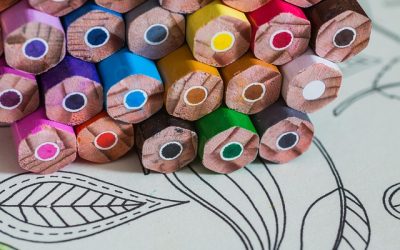
- Choose the Right Tools: Select high-quality colored pencils, markers, or watercolors that suit your coloring style.
- Paper Quality: Use coloring books with thick paper to prevent bleed-through.
- Color Wheel Knowledge: Familiarize yourself with the color wheel to create harmonious color combinations.
Creative Techniques for Coloring Book Pages
1. Layering Colors
Layering is one of the most effective creative techniques for coloring book pages. By applying multiple layers of color, you can achieve depth and dimension in your artwork.
- Start with a light base color.
- Gradually add darker shades to create shadows.
- Blend the colors using a blending pencil or your fingers for a smooth finish.
2. Blending Techniques
Blending is crucial to achieving a seamless transition between colors. Here are some popular blending techniques:
- Wet Blending: Use water-based markers or watercolors to blend colors while they are still wet.
- Dry Blending: Use colored pencils and apply pressure to blend colors directly on the paper.
- Colorless Blender: Use a colorless blending pencil or marker to smooth out the colors.
3. Using Textures
Incorporating textures can elevate your coloring pages significantly. Here are some ways to add texture:
- Stippling: Create texture by dotting your colors instead of smooth strokes.
- Cross-Hatching: Use intersecting lines to create shading and depth.
- Scratching: Scratch the surface of the paper to create interesting patterns.
4. Experimenting with Mixed Media
Another exciting approach in the realm of creative techniques for coloring book pages is mixed media. Combining different mediums can lead to stunning results.
- Watercolors and Colored Pencils: Start with watercolors for the background and layer colored pencils for details.
- Markers and Gel Pens: Use markers for bold colors and gel pens for fine details and highlights.
- Collage Elements: Incorporate cut-out images or decorative paper into your coloring pages.
5. Incorporating Patterns
Patterns can add an intricate touch to your coloring pages. Here are some ideas to incorporate patterns effectively:
- Geometric Shapes: Fill shapes with different colors or patterns for a modern look.
- Nature Patterns: Use floral or animal motifs to create a cohesive theme.
- Abstract Designs: Experiment with swirls, dots, and lines to create unique backgrounds.
6. Color Theory in Action
Understanding color theory enhances your ability to create visually appealing coloring pages. Here are some aspects of color theory to consider:
- Complementary Colors: Use colors opposite each other on the color wheel for striking contrasts.
- Analogous Colors: Choose colors next to each other for a harmonious look.
- Monochromatic Schemes: Use variations of a single color for a cohesive design.
7. Adding Depth with Shadows and Highlights
Shadows and highlights are essential for creating a three-dimensional appearance in your coloring book pages. Here’s how to apply them:
- Identify the light source in your image.
- Add shadows on the opposite side of the light source using darker shades.
- Apply highlights with lighter shades or white gel pens to the areas closest to the light.
8. Utilizing Nature as Inspiration
Nature is a fantastic source of inspiration for coloring book pages. Here are some creative techniques for coloring book pages inspired by the great outdoors:
- Floral Patterns: Use real flowers as references for color choices.
- Landscape Colors: Capture the hues of sunsets, forests, and oceans in your coloring.
- Animal Colors: Study the colors of animals in their natural habitats for realistic coloring.
Tips for Advanced Colorists
1. Practice Regularly
Consistent practice is vital for mastering creative techniques for coloring book pages. Set aside time each week to experiment with new methods and refine your skills.
2. Join a Coloring Community
Engaging with a community of fellow colorists can provide inspiration and support. Consider joining online forums or social media groups dedicated to coloring.
3. Share Your Work
Don’t hesitate to share your completed pages on social media or coloring platforms. Receiving feedback can help you grow as an artist.
4. Explore Tutorials
Look for online tutorials that focus on specific techniques. Websites like Kidz Coloring offer valuable resources for enhancing your skills.
5. Take Breaks
Remember to take breaks during long coloring sessions. Stepping back can provide fresh perspectives on your work.
Choosing the Right Coloring Book
The choice of coloring book can significantly impact your experience. Here are some factors to consider when selecting a coloring book:
- Complexity: Choose books that match your skill level, from simple designs to intricate patterns.
- Theme: Select themes that resonate with you, whether it’s animals, nature, or abstract art.
- Artist Quality: Look for books created by reputable artists known for their unique styles.
Incorporating these creative techniques for coloring book pages can transform your coloring experience into a fulfilling artistic journey. By experimenting with color, texture, and mixed media, you can create unique and beautiful artworks that reflect your personal style.
Exploring Themes and Styles in Coloring Books
Coloring books have evolved significantly over the years, transforming from simple children’s activities into a multifaceted art form that caters to all ages. In this article, we will dive deep into Exploring Themes and Styles in Coloring Books, examining how various themes and artistic styles enhance the coloring experience.
The Importance of Themes in Coloring Books
Themes play a crucial role in the appeal of coloring books. They not only guide the artistic direction but also engage the user’s imagination. Here are some popular themes:
- Nature: These coloring books often feature flora, fauna, and landscapes, allowing users to connect with the beauty of the natural world.
- Fantasy: Immerse yourself in magical realms filled with mythical creatures and enchanting scenes.
- Mandala: Known for their intricate designs, mandalas promote mindfulness and relaxation.
- Pop Culture: From movies to music, these coloring books cater to fans and enthusiasts of various franchises.
How Themes Influence Creativity
When Exploring Themes and Styles in Coloring Books, it’s essential to recognize how themes can inspire creativity. Different themes may evoke various emotions and encourage users to express themselves uniquely. For example:
- Nostalgia: Coloring books based on childhood cartoons can evoke fond memories.
- Adventure: Themes that incorporate exploration can spark a sense of wanderlust.
Diverse Artistic Styles in Coloring Books
Artistic styles significantly impact the coloring experience. Each style offers a unique approach to coloring, catering to different preferences. Here are some notable styles:
Realistic
Realistic coloring books feature detailed illustrations that mimic real-life objects and scenes. This style is perfect for those who enjoy precision and accuracy in their coloring.
Abstract
Abstract styles allow for free expression, with designs that may not represent anything specific. This style is ideal for those looking to experiment with colors and techniques.
Cartoonish
Cartoon-style coloring books often feature exaggerated features and whimsical designs, appealing to both children and adults who appreciate humor and light-heartedness.
Geometric
Geometric designs focus on shapes and patterns, making them popular among those who enjoy structure and symmetry. These styles can also be meditative, promoting relaxation as users fill in the shapes.
Combining Themes and Styles
One of the most exciting aspects of Exploring Themes and Styles in Coloring Books is the combination of various themes and styles. This fusion creates a rich tapestry of artistic possibilities. For instance:
- Fantasy Mandalas: Combining the intricate patterns of mandalas with fantastical themes.
- Nature in Abstract: Using abstract styles to depict natural scenes, offering a fresh perspective.
Choosing the Right Combination
When selecting a coloring book, consider what themes and styles resonate with you. Ask yourself:
- What emotions do I want to evoke while coloring?
- Am I looking for relaxation or stimulation?
- Do I prefer structured designs or freeform styles?
The Benefits of Coloring Books
Engaging in the art of coloring offers numerous benefits, including:
- Stress Relief: Coloring can be a therapeutic activity, reducing anxiety and promoting relaxation.
- Improved Focus: Concentrating on coloring can enhance your attention span and mindfulness.
- Creativity Boost: Experimenting with colors and styles can inspire new creative outlets.
As you embark on your journey of Exploring Themes and Styles in Coloring Books, remember that the world of coloring is vast and varied. Each page offers a new opportunity for creativity and self-expression, making coloring a delightful and enriching experience.
For a wide selection of coloring books pages, visit Kidz Coloring.
For additional insights into the benefits of coloring, check out Psychology Today.
Benefits of Coloring for Relaxation and Mindfulness
In today’s fast-paced world, finding moments of peace and tranquility can be challenging. One effective method that has gained popularity for promoting relaxation and mindfulness is coloring. The benefits of coloring for relaxation and mindfulness are numerous and can be easily incorporated into your daily routine. This article explores how coloring can enhance your mental well-being.
Understanding the Concept of Mindfulness
Mindfulness is the practice of being present in the moment, fully engaged with your thoughts and feelings without judgment. It helps reduce stress and anxiety, promoting a sense of calm. Incorporating activities like coloring into your mindfulness practice can deepen your experience.
Coloring as a Mindfulness Activity
The act of coloring requires focus and concentration, making it an excellent tool for mindfulness. When you engage in coloring, you immerse yourself in the present, which can help quiet your mind and alleviate worries. Here are some benefits of coloring for relaxation and mindfulness:
- Reduces Stress: Focusing on colors and patterns can distract you from stressors, allowing your mind to relax.
- Enhances Creativity: Coloring stimulates the creative side of your brain, promoting self-expression and imagination.
- Improves Concentration: The repetitive nature of coloring can enhance your ability to concentrate and stay focused.
Physical Benefits of Coloring
Beyond mental health, the benefits of coloring for relaxation and mindfulness extend to physical well-being as well. Here are some key points:
Promotes Fine Motor Skills
Coloring requires precision and control, which can help improve fine motor skills, especially in children. This practice can be beneficial for adults too, as it keeps hand-eye coordination sharp.
Encourages Relaxation
Coloring can induce a meditative state, allowing your body to relax. Engaging in this activity can lower your heart rate and reduce muscle tension, contributing to overall relaxation.
Choosing the Right Coloring Materials
To fully experience the benefits of coloring for relaxation and mindfulness, it’s essential to choose the right materials. Here are some tips:
Types of Coloring Books
Selecting the right coloring book can enhance your experience. Consider:
- Intricate Designs: Books with complex patterns can provide a greater challenge and focus.
- Nature Themes: Coloring nature scenes can promote feelings of tranquility.
- Inspirational Quotes: Combine coloring with positive affirmations for added mindfulness.
Choosing the Right Tools
Your choice of coloring tools can also affect your experience. Consider:
- Colored Pencils: They allow for precision and blending.
- Markers: Perfect for vibrant colors and bold designs.
- Gel Pens: Offer a unique finish and a variety of colors.
Creating a Calming Coloring Environment
To maximize the benefits of coloring for relaxation and mindfulness, create a serene environment. Here are some suggestions:
- Quiet Space: Find a peaceful area to minimize distractions.
- Soft Lighting: Use natural light or soft lamps to create a calming atmosphere.
- Comfortable Seating: Ensure you have a comfortable chair and table to enhance your experience.
Incorporating Coloring into Your Routine
To fully enjoy the benefits of coloring for relaxation and mindfulness, consider integrating it into your daily life. Here are some ideas:
- Set Aside Time: Dedicate a specific time each day for coloring.
- Combine with Music: Listen to calming music while you color for an enhanced experience.
- Join a Coloring Group: Share the experience with friends or family for added enjoyment.
For more resources on coloring books and pages, explore Kidz Coloring. Embrace the benefits of coloring for relaxation and mindfulness today and transform your mental well-being.




0 Comments