
Ultimate Creative Techniques for Coloring Book Pages
Coloring books pages coloring books have become a popular pastime for both children and adults alike. They offer a wonderful opportunity to express creativity and relieve stress. In this article, we will explore various creative techniques for coloring book pages that can elevate your coloring experience. From choosing the right tools to experimenting with different styles, these techniques will help you transform your coloring book pages into stunning works of art.
Choosing the Right Tools for Coloring
Before diving into creative techniques for coloring book pages, selecting the right tools is essential. Here are some popular options:
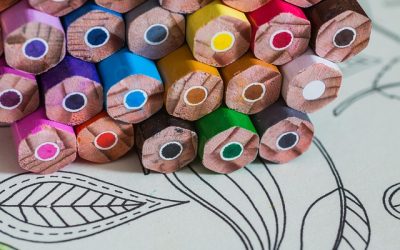
- Colored Pencils: Ideal for detailed work, colored pencils allow for precision and blending.
- Markers: Perfect for bold colors and smooth application, markers can add vibrancy to your pages.
- Watercolors: For a unique effect, watercolors can create beautiful washes and gradients.
- Gel Pens: These pens are excellent for adding metallic or glittery accents to your coloring book pages.
Basic Techniques for Coloring Book Pages
Layering Colors
Layering is one of the most effective creative techniques for coloring book pages. By applying multiple layers of color, you can achieve depth and richness. Start with a light base color and gradually add darker shades to create dimension.
Blending Colors
Blending is another essential technique. You can use a blending stump or your fingers to smudge colors together for a smooth transition. Experiment with different color combinations to see what works best for your coloring book pages.
Shading
Adding shadows can bring your coloring book pages to life. Identify your light source and apply darker colors to areas that would naturally be in shadow. This technique adds realism and depth to your artwork.
Advanced Techniques for Coloring Book Pages
Using Mixed Media
One of the most exciting creative techniques for coloring book pages is mixed media. Combine different materials like colored pencils, markers, and watercolors to create unique textures and effects. Here’s how you can do it:
- Start with a base layer using watercolors.
- Once dry, add details with colored pencils.
- Finish with gel pens for highlights and accents.
Creating Backgrounds
Don’t forget about the background! A well-designed background can enhance your coloring book pages significantly. Here are some ideas:
- Gradient Backgrounds: Use a light-to-dark gradient to create depth.
- Patterned Backgrounds: Fill the background with patterns like stripes or polka dots to add interest.
- Textured Backgrounds: Use sponges or brushes to apply texture to the background.
Coloring Techniques for Different Themes
Floral Designs
When coloring floral designs, consider using vibrant colors for the flowers and softer shades for the leaves. A popular technique is to color the petals with a gradient effect, transitioning from light to dark shades.
Animals
For animal illustrations, try to mimic the natural colors of the species. Use blending techniques to create fur or feather textures. You can also add whimsical elements by using unconventional colors.
Fantasy Themes
Fantasy-themed coloring book pages allow for more creativity. Feel free to use bright, unrealistic colors. Experiment with metallic markers or glitter gel pens to add a magical touch to your artwork.
Incorporating Patterns and Textures
Patterns
Incorporating patterns into your coloring book pages can add a unique flair. Try filling sections with various patterns, such as stripes, polka dots, or zigzags, to create visual interest.
Textures
Textures can also enhance your coloring experience. Use techniques like stippling, hatching, or cross-hatching to create interesting effects. These techniques can be applied to various elements in your coloring book pages.
Experimenting with Color Theory
Understanding color theory can significantly improve your coloring skills. Here are some concepts to consider:
Complementary Colors
Using complementary colors can create vibrant contrasts. For example, pairing blue with orange can make each color pop. Experiment with complementary color schemes in your coloring book pages to see the effects.
Analogous Colors
Analogous colors are those that sit next to each other on the color wheel. Using these colors together can create harmonious and visually pleasing results. Consider using analogous colors in floral designs or landscapes.
Inspiration for Creative Coloring
Online Communities
Joining online communities can provide inspiration and motivation. Websites and social media platforms often feature coloring challenges, tutorials, and showcases of completed pages. Engage with fellow coloring enthusiasts to share tips and techniques.
Coloring Books with Unique Themes
Explore coloring books that offer unique themes, such as mandalas, nature, or intricate patterns. These specialized books can inspire new creative techniques for coloring book pages.
Tips for Staying Motivated
Staying motivated can sometimes be a challenge. Here are some tips to keep your creativity flowing:
- Set Goals: Create specific goals for your coloring sessions, such as completing a page or trying a new technique.
- Schedule Time: Dedicate time each week for coloring to maintain your practice.
- Mix It Up: Experiment with different coloring books or techniques to keep things fresh and exciting.
Coloring books pages coloring books offer endless possibilities for creativity and self-expression. By implementing these creative techniques for coloring book pages, you can transform ordinary illustrations into extraordinary art. Embrace your artistic side and enjoy the therapeutic benefits of coloring!

Benefits of Coloring for Stress Relief
In today’s fast-paced world, finding effective ways to manage stress is essential for maintaining mental health. One surprisingly simple yet powerful method is coloring. The benefits of coloring for stress relief are backed by research and have gained popularity among both children and adults. This article explores how engaging in coloring can help reduce stress and promote relaxation.
Understanding Stress and Its Effects
Stress is a natural response to challenges and demands in life. However, chronic stress can lead to various health issues, including:
- Anxiety
- Depression
- Sleep disturbances
- Heart disease
Recognizing effective stress relief techniques is crucial for improving overall well-being. This is where the benefits of coloring for stress relief come into play.
How Coloring Helps Reduce Stress
1. Engaging the Mind
Coloring requires concentration, which can help divert your mind from stressors. By focusing on the task at hand, you can enter a meditative state that promotes relaxation. The benefits of coloring for stress relief include:
- Enhancing mindfulness
- Encouraging creativity
- Improving focus
2. Activating the Relaxation Response
Coloring activates the parasympathetic nervous system, which induces a state of calm. This physiological response helps lower heart rates and reduces blood pressure, making it an effective tool for stress management.
3. Encouraging Self-Expression
Coloring allows individuals to express their emotions creatively. This self-expression can be therapeutic, as it helps release pent-up feelings. The benefits of coloring for stress relief include:
- Boosting self-esteem
- Enhancing emotional intelligence
- Providing a safe outlet for emotions
Types of Coloring Activities
There are various ways to incorporate coloring into your stress relief routine. Here are some popular options:
1. Adult Coloring Books
Adult coloring books have surged in popularity, offering intricate designs that cater to adults seeking relaxation. These books often feature themes such as:
- Nature
- Mandala patterns
- Abstract art
Explore a variety of coloring books to find one that resonates with you.
2. Digital Coloring Apps
For tech-savvy individuals, digital coloring apps provide a modern twist on this classic activity. These apps often include:
- Interactive features
- Color palettes
- Sharing options
3. Group Coloring Sessions
Coloring can also be a social activity. Participating in group coloring sessions can enhance the benefits of coloring for stress relief by fostering connections with others. Consider joining local workshops or online communities.
Tips for Maximizing the Benefits of Coloring
To fully experience the benefits of coloring for stress relief, consider the following tips:
- Choose a comfortable and quiet space.
- Use quality coloring materials for a more enjoyable experience.
- Set aside dedicated time for coloring without distractions.
- Experiment with different coloring techniques and styles.
Research Supporting Coloring as a Stress Relief Tool
Numerous studies have highlighted the psychological benefits of coloring. Research indicates that engaging in creative activities like coloring can significantly lower anxiety levels. For more information, check out this article from Psychology Today.
Overall, the benefits of coloring for stress relief are profound and multifaceted. Whether you’re a child or an adult, incorporating coloring into your routine can be a simple yet effective way to manage stress and enhance your overall well-being.
Exploring Unique Themes in Coloring Books
Coloring books have evolved significantly from simple children’s activity books to sophisticated artistic tools enjoyed by all ages. In Exploring Unique Themes in Coloring Books, we delve into the fascinating variety of themes that cater to different interests, preferences, and artistic styles. This exploration not only highlights creativity but also promotes relaxation and mindfulness.
The Rise of Themed Coloring Books
Themed coloring books offer a unique twist that can enhance the coloring experience. Unlike traditional coloring books, these themed editions provide context and narrative, inviting users to engage more deeply with their art. Here are some popular themes:
- Nature and Wildlife: Color intricate designs of animals, plants, and landscapes.
- Fantasy and Mythology: Dive into worlds of dragons, fairies, and mythical creatures.
- Cultural Exploration: Celebrate global diversity with designs inspired by different cultures.
- Mindfulness and Meditation: Focus on intricate patterns that promote relaxation.
Nature and Wildlife Themes
One of the most popular themes in Exploring Unique Themes in Coloring Books is nature and wildlife. These books often feature:
- Realistic depictions of animals.
- Floral patterns that reflect different seasons.
- Scenic landscapes that encourage creativity.
Coloring these pages not only enhances artistic skills but also fosters a connection to the natural world. For more insights on the benefits of nature-themed coloring, visit Nature.com.
Fantasy and Mythology Themes
Fantasy-themed coloring books transport users to magical realms filled with whimsical characters. In Exploring Unique Themes in Coloring Books, these books often include:
- Dragons and mythical beasts.
- Enchanted forests and castles.
- Fairy tales and folklore elements.
These themes encourage creativity and storytelling, allowing artists to create their own narratives as they color. For more on how fantasy inspires creativity, check out Creative Bloq.
Cultural Exploration Through Coloring
Another captivating theme is cultural exploration. These coloring books celebrate art from various cultures, showcasing:
- Traditional patterns and designs.
- Historical landmarks.
- Cultural symbols and artifacts.
By engaging with these themes, users can learn about different cultures while enjoying the therapeutic benefits of coloring. For more about cultural representation in art, visit Artsy.
Mindfulness and Meditation Coloring Books
Mindfulness-themed coloring books focus on intricate patterns designed to promote relaxation and stress relief. In Exploring Unique Themes in Coloring Books, these books typically feature:
- Mandala designs.
- Geometric patterns.
- Abstract art that encourages free expression.
These themes are perfect for those looking to unwind and practice mindfulness. For tips on mindfulness practices, refer to Mindful.org.
Choosing the Right Coloring Book Theme
When selecting a coloring book, consider the following factors:
- Your Interests: Choose a theme that resonates with you.
- Complexity: Opt for designs that match your skill level.
- Purpose: Decide if you want to relax, learn, or express creativity.
By carefully choosing a theme, you can enhance your coloring experience and achieve your artistic goals. For a wide selection of coloring books, visit Kidz Coloring.
Final Thoughts on Unique Themes
Exploring unique themes in coloring books opens up endless possibilities for creativity and relaxation. Whether you’re drawn to nature, fantasy, culture, or mindfulness, there is a coloring book theme that can enrich your experience. Dive into the world of coloring today and discover the joy it can bring!




0 Comments